Meteor Shower Calendar: Peak Nights Through August 2027 and How to Watch
Updated November 2, 2026.
A meteor shower is a burst of visible meteors that happens when Earth passes through the stream of debris left by a comet or an asteroid. In the 2026 to 2027 season, the standouts are the Geminids, which peak on December 13 and 14, 2026. The Perseids follow on August 12 and 13, 2027. The Moon matters a lot. A bright Moon washes out faint meteors.
What a meteor shower really is
No stars fall. That is a myth. Meteors are tiny bits of dust and rock that heat up as they hit the atmosphere and leave a streak of light. Each shower is named for the constellation it seems to come from, which is why the Perseids are tied to Perseus. The peak is the night when activity is highest.
Calendar for the 2026 to 2027 season
The table follows the American Meteor Society calendar for the season from September 2026 through August 2027. The dates show the peak night, and the Moon column shows its phase at that time.
| Shower | Peak | Moon at peak | Conditions |
|---|---|---|---|
| Southern Taurids | November 4 and 5, 2026 | 25%, waning | Favorable |
| Northern Taurids | November 11 and 12, 2026 | 4%, waxing | Very favorable |
| Leonids | November 16 and 17, 2026 | 39%, waxing | May hide faint meteors |
| Geminids | December 13 and 14, 2026 | 15%, waxing | Favorable |
| Ursids | December 21 and 22, 2026 | 89%, waxing | Notable interference |
| Quadrantids | January 3 and 4, 2027 | 18%, waning | Favorable |
| Lyrids | April 21 and 22, 2027 | Full Moon | Notable interference |
| Eta Aquariids | May 5 and 6, 2027 | 2%, waning | Very favorable |
| Southern Delta Aquariids | July 30 and 31, 2027 | 14%, waning | Favorable |
| Perseids | August 12 and 13, 2027 | 79%, waxing | Notable interference |
Which ones are worth it
The Geminids are usually the strongest shower of the year, according to the American Meteor Society. Many of their meteors are bright and colorful, and activity is good well before midnight. In 2026 they coincide with a thin Moon, which is the best possible combination.
The Perseids are the most popular, but in 2027 they will have a 79% Moon. The expected rate is 30 to 50 meteors an hour at rural sites, and the Moon will cut that down a lot. The Eta Aquariids in May produce 10 to 30 meteors an hour from the equator northward, always before dawn. That year the Moon barely gets in the way.
The Quadrantids have a short peak of about six hours. The predicted peak falls when it is still early night in the Americas, so it favors Europe and western Asia.
How to watch
You do not need a telescope or binoculars. Find a dark spot away from city lights and look up with a wide, relaxed gaze, without fixing on a single point. Let your eyes adjust to the dark before you start counting meteors. Bring a reclining chair. Be patient.
What the hourly rate means
The hourly rate is an estimate for a very dark, clear sky. For a shower like the Quadrantids, the American Meteor Society cites about 25 meteors an hour under dark skies. In a city, with light and haze, you will see far fewer.
Frequently asked questions
What is the best meteor shower of the year?
The Geminids, in December, are usually the strongest, according to the American Meteor Society.
Do I need a telescope to see them?
No. A dark, clear sky and some patience are enough.
When is the next meteor shower?
It depends on the day you read this page. Check the table above and find the first row whose peak has not passed yet.
Why are they called the Perseids, Geminids and Leonids?
Each name comes from the constellation the meteors seem to radiate from. The Perseids come from Perseus and the Geminids from Gemini.
Does the Moon affect what I can see?
Yes. A bright Moon washes out faint meteors, so it pays to check the Moon phase for each peak.
Read next: The International Space Station: How It Works and When It Ends and Exploring Mars: The Perseverance Rover and the Sample Problem.
Sources: Meteor Shower Calendar 2026-2027, American Meteor Society.
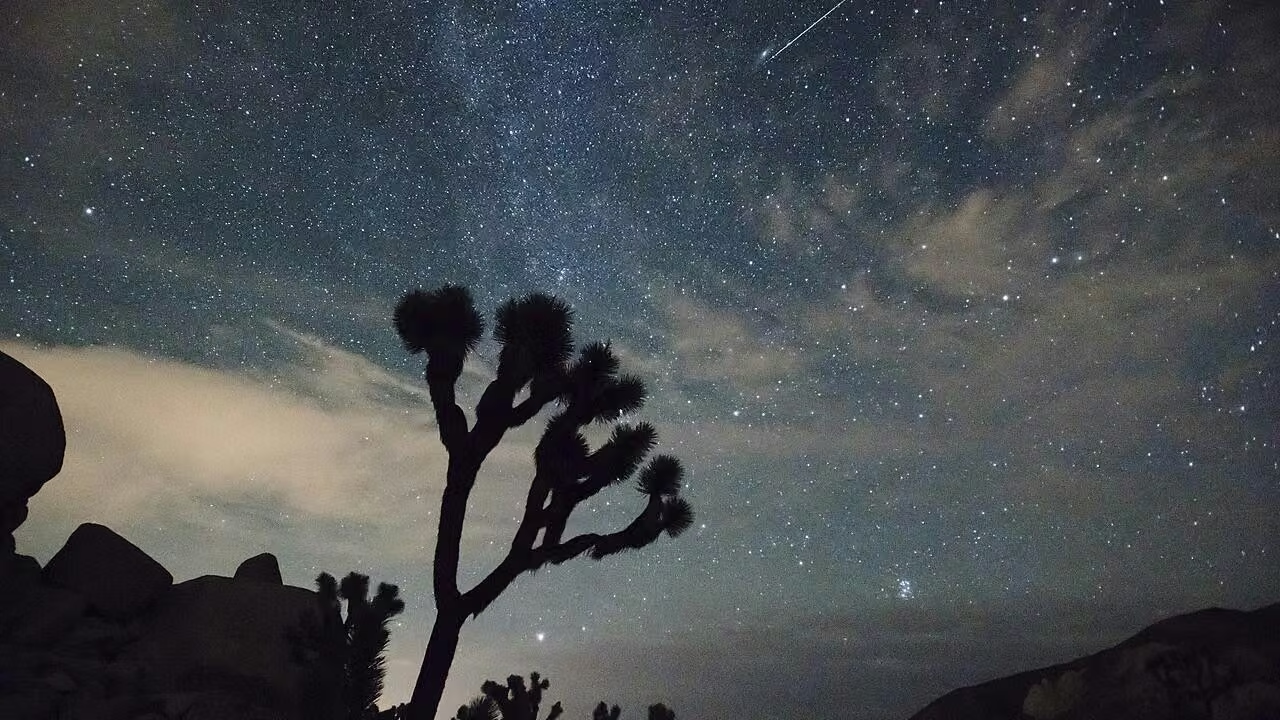
Featured image: Joshua Tree National Park, Public domain, via Wikimedia Commons.